Security Remediation
Temporary Mitigations for Critical Vulnerabilities Awaiting Full Remediation
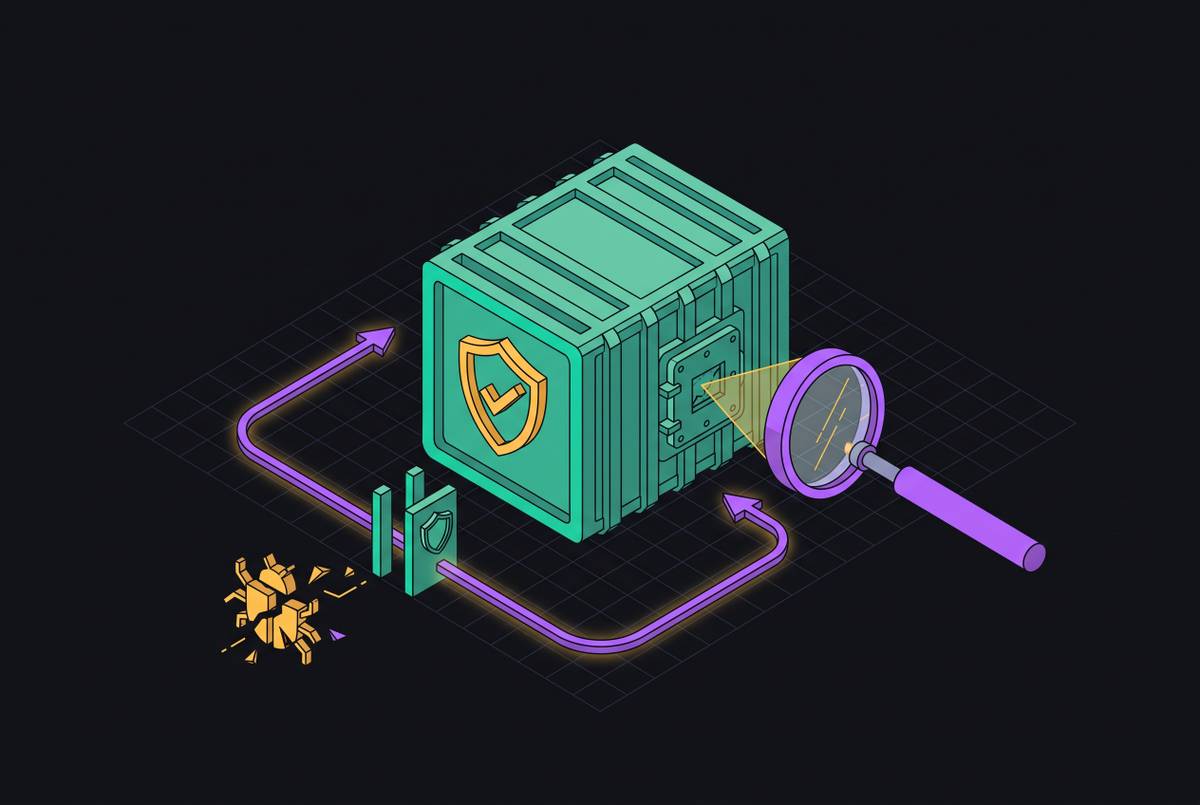
Temporary mitigations buy time while teams work toward permanent fixes for critical flaws.
Ingrid Novak
· 10 min read
Temporary mitigations buy time while teams work toward permanent fixes for critical flaws.
Patching and confirming the patch worked are two separate steps organizations conflate.
CVSS scores alone can't set realistic patch deadlines; asset tier and exploit signals matter more.
Tracing vulnerabilities back to process gaps stops the same class from recurring annually.
Misconfigured cloud permissions, not vulnerable software, are where real breaches happen.
Business logic flaws require human judgment that AI cannot provide.
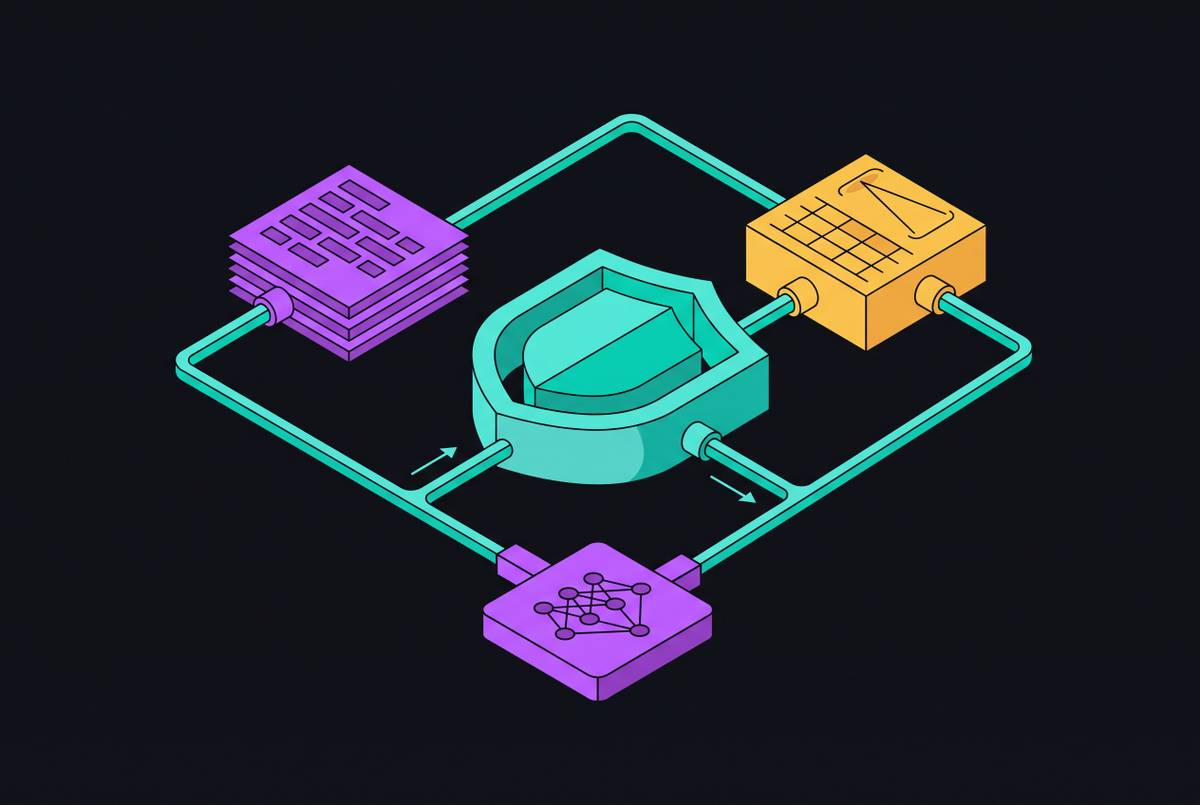
AI AppSec layers filter noise and speed triage, but humans stay essential for logic flaws.
AI-assisted analysis finds the exploitable vulnerabilities attackers actually want to compromise.
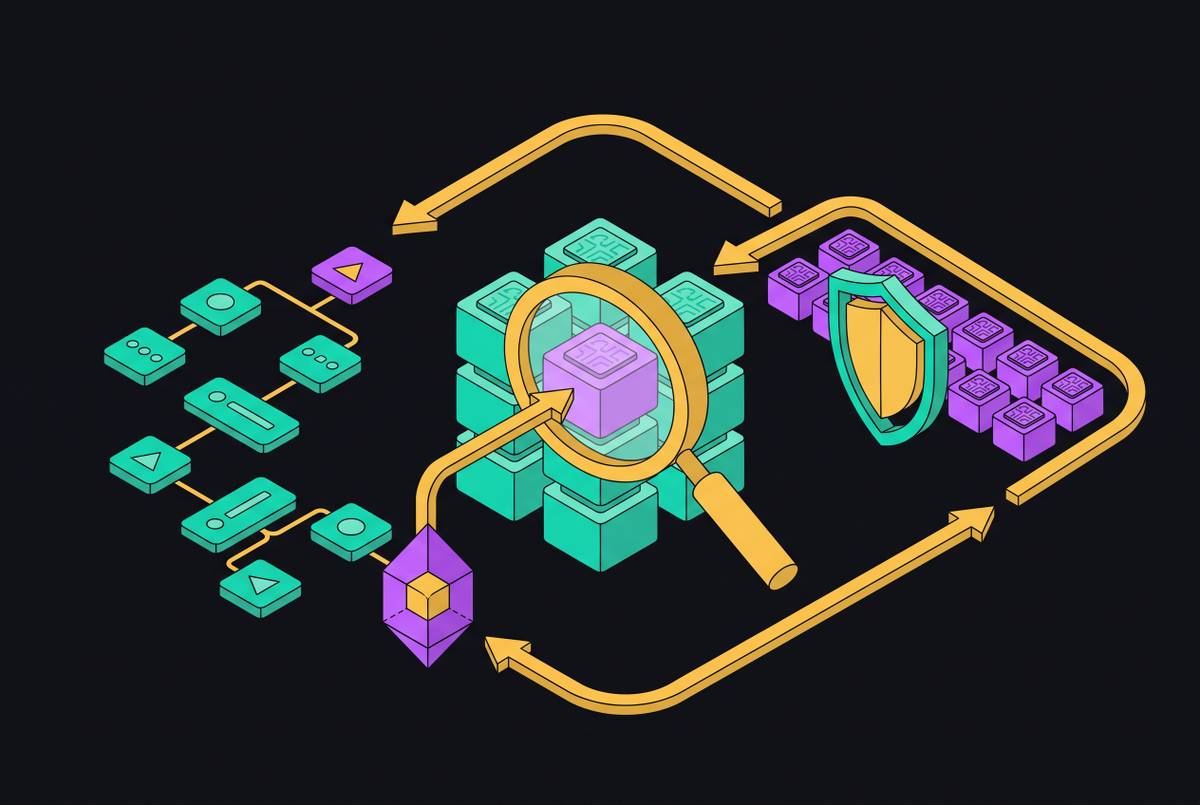
Taint analysis traces untrusted input through code to find injection vulnerabilities.
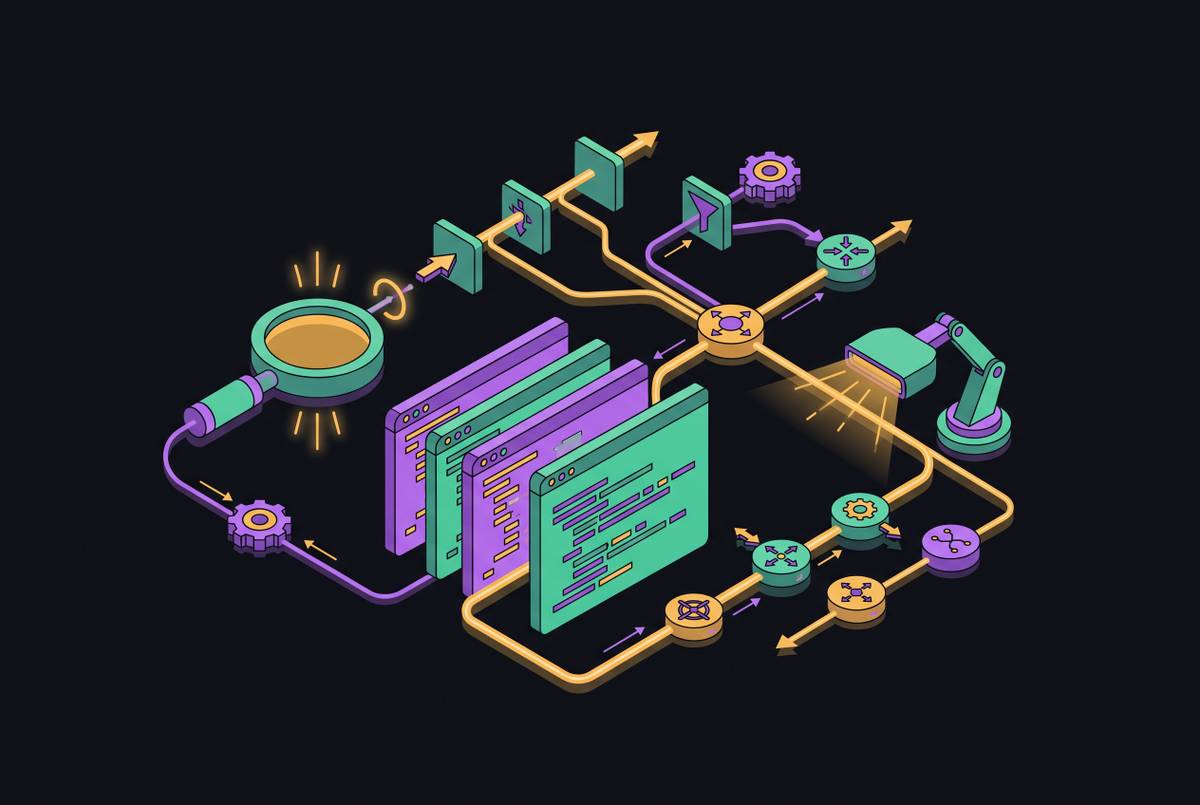
AI-native testing maps entire systems continuously, but human experts must validate every finding.
Data-flow tracing finds real vulnerabilities by following input to dangerous sinks.
Automation finds vulnerabilities at scale, but only human validation proves they actually matter.