AI-Native Security Testing
AI-Assisted Pen Testing vs Traditional Manual Testing Compared
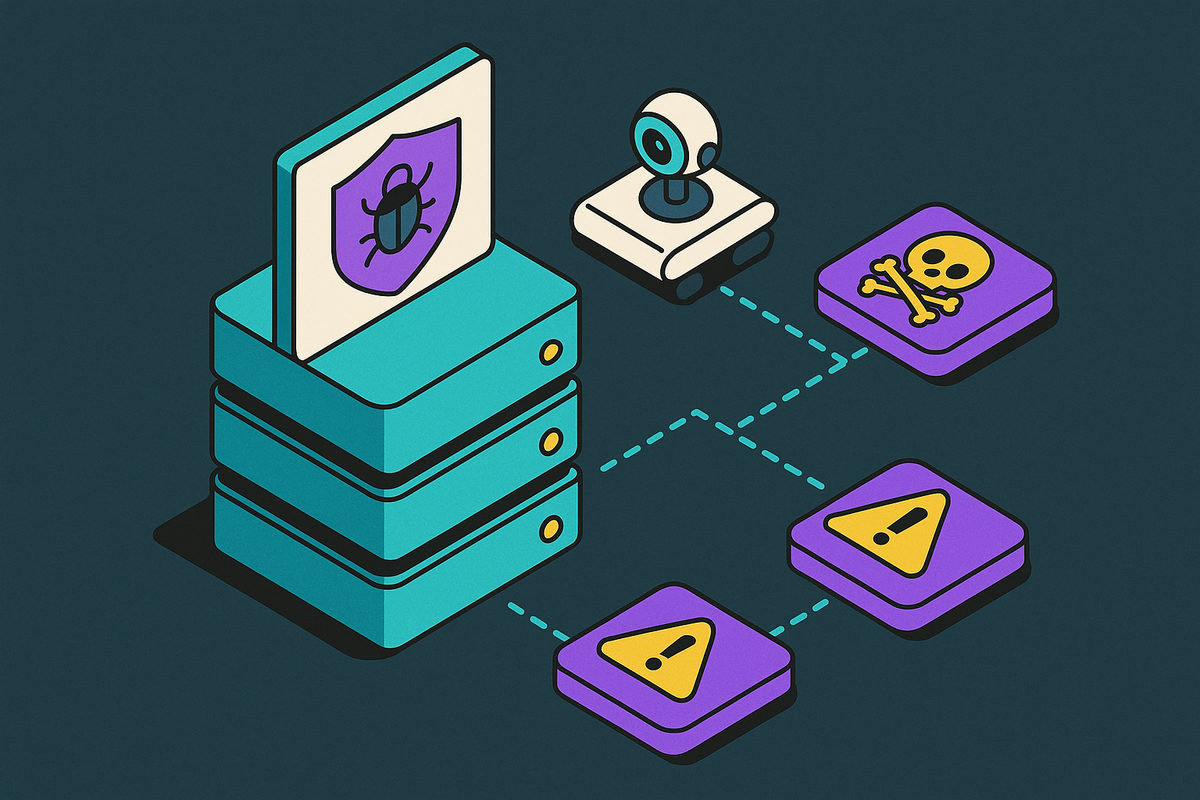
AI agents handle continuous testing where annual pen tests leave months of code untested.
Malik Holt
· 10 min read
AI agents handle continuous testing where annual pen tests leave months of code untested.
Exploit-path tracing replaces signature matching with proof of actual exploitability.
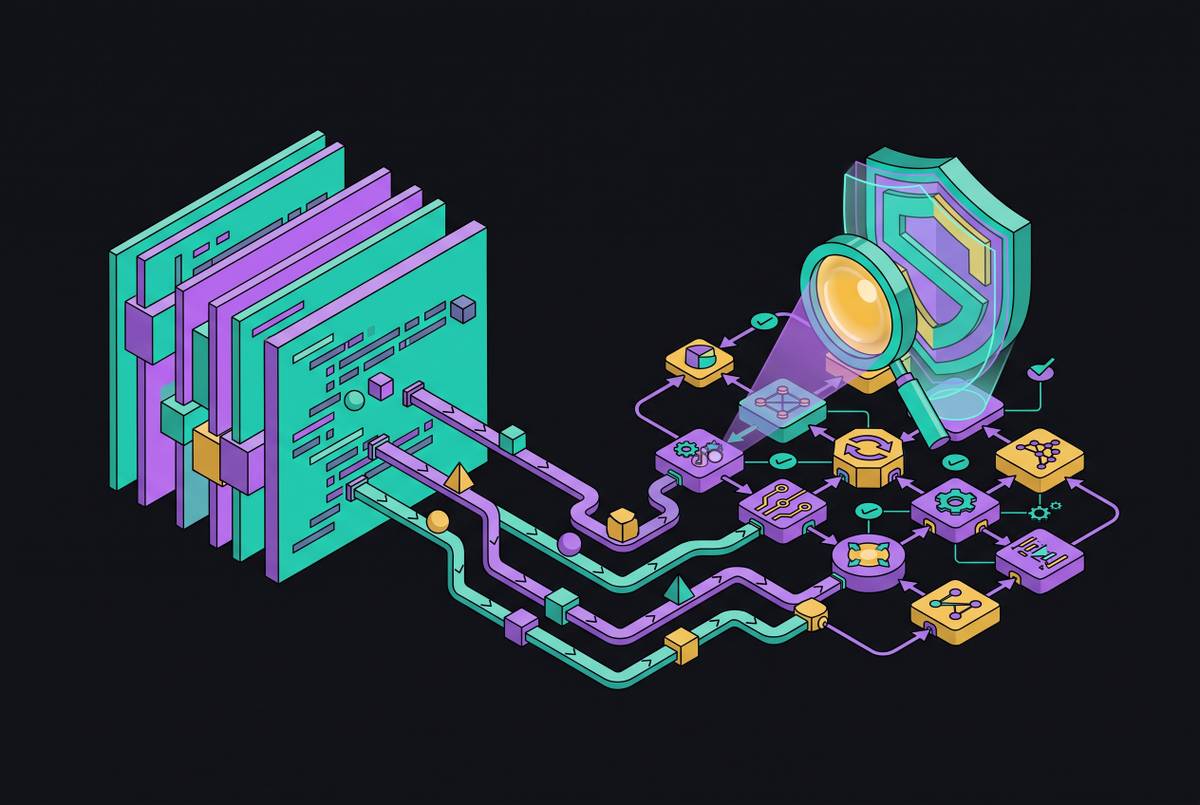
Tracing untrusted data through code reveals exploits that pattern matching misses.
Security tools go blind at library boundaries, letting vulnerabilities slip through undetected.
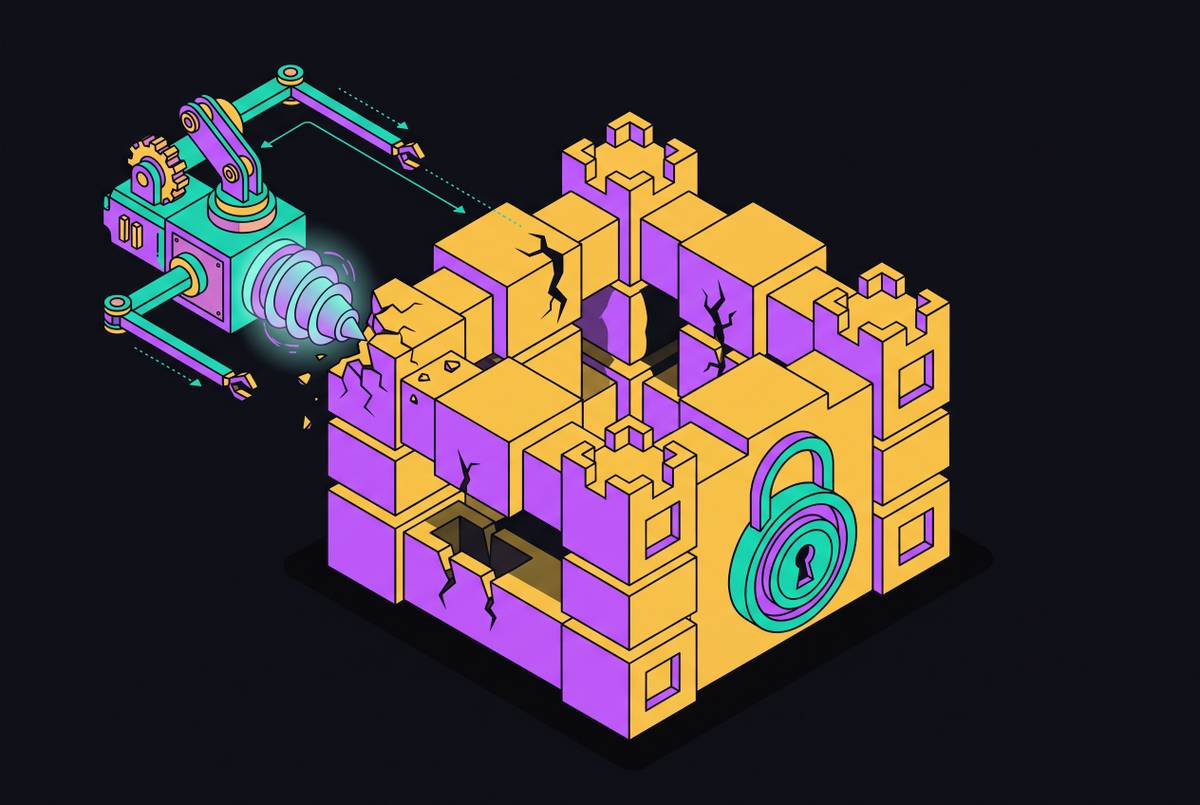
Machines can't replace human judgment when vulnerabilities hide in real-world complexity.
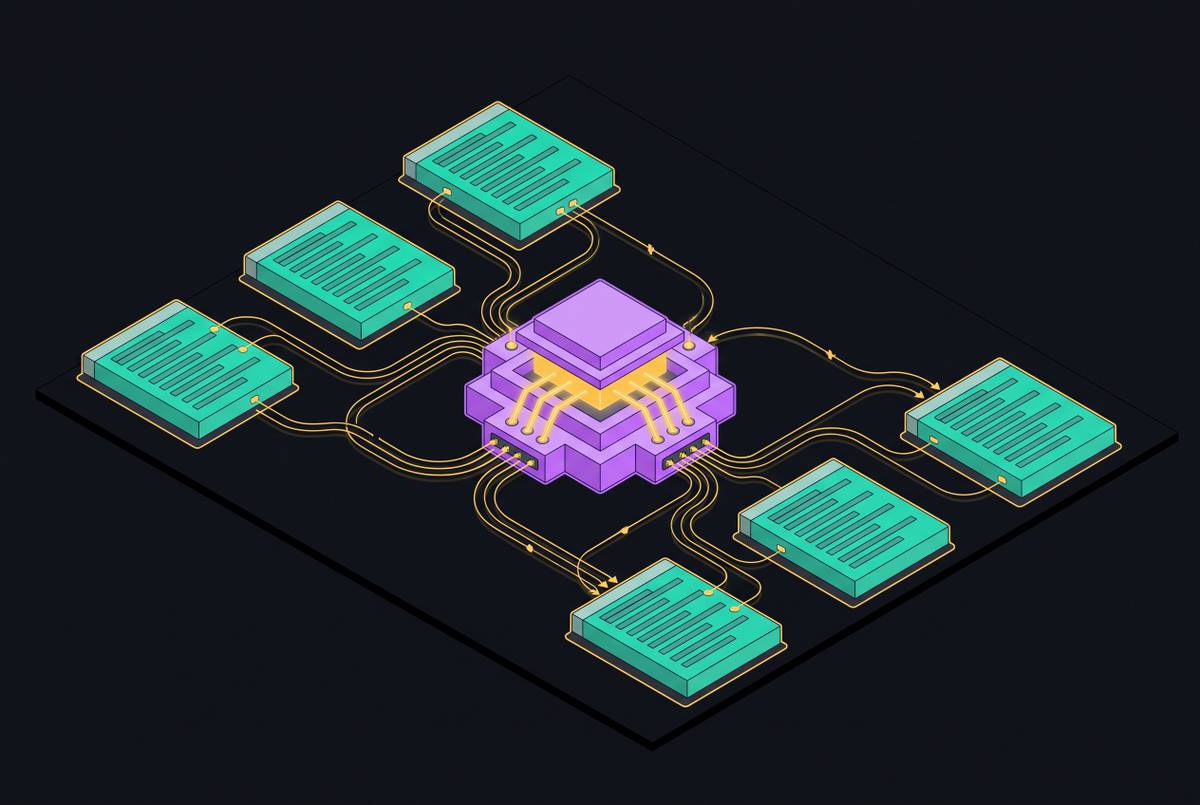
Single-file scanners miss the real vulnerabilities; cross-file analysis catches them.
Evidence shows whether a fix actually closed the vulnerability or just hid the symptom.
Confirming a fix actually worked requires testing beyond the original exploit.
Focus on exploitability and chaining rather than CVSS scores to prioritize pen test findings.
A triage framework that weighs exploitability and attack chain position beats raw severity scores.
Auditors expect penetration tests even though SOC 2 never requires them explicitly.
Penetration testing isn't mandatory in ISO 27001, but auditors expect it as evidence anyway.