Patch Validation and Exploit Confirmation After Remediation
Patching and confirming the patch worked are two separate steps organizations conflate.
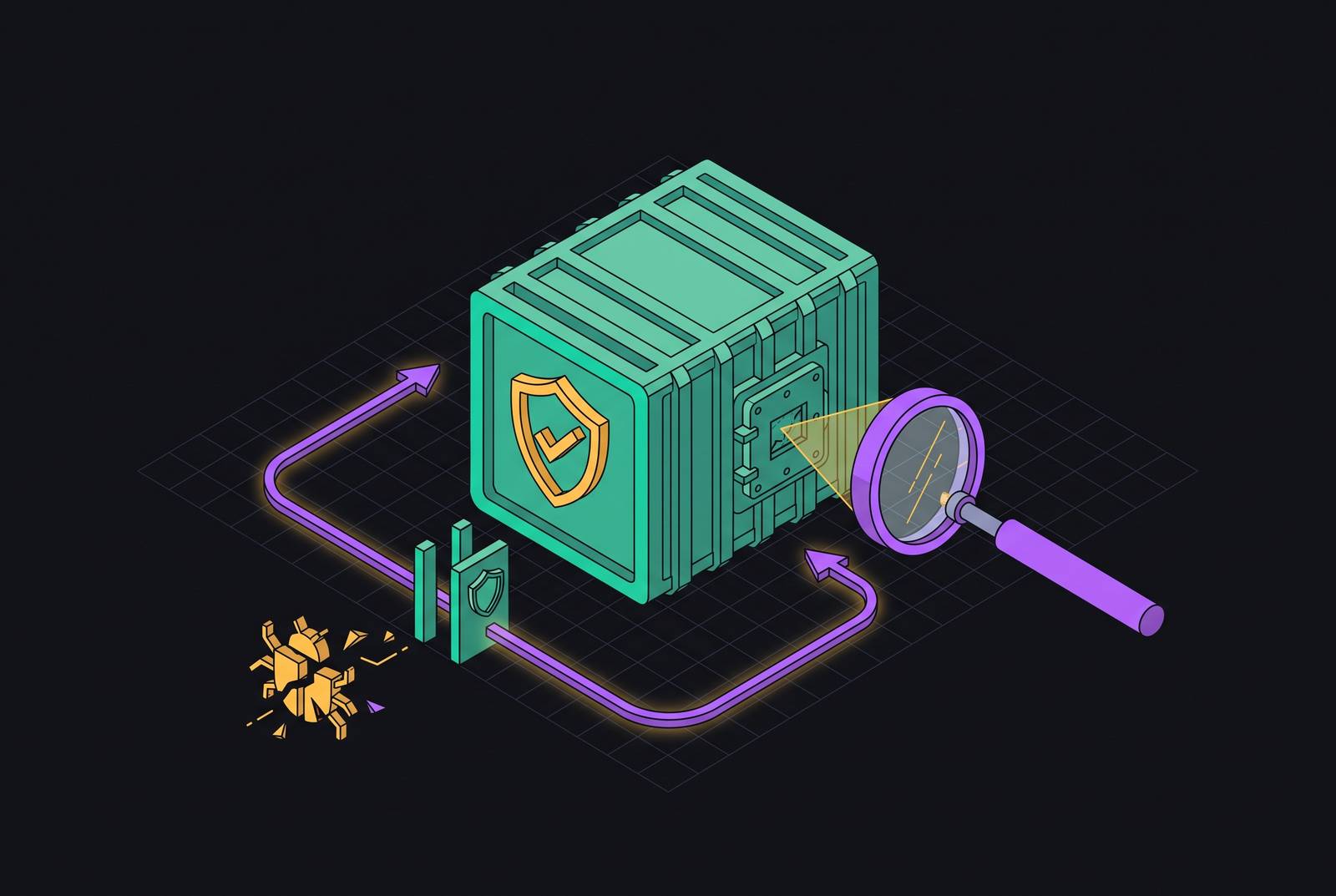
The dominant failure mode in post-pentest remediation is treating patch application as proof the risk is gone, when the two are separate acts that require separate confirmation. Applying a patch is an action. Closing an exposure is an outcome. A ticket moved to "done" records that someone did something; it says nothing about whether the attack path that action was meant to close is actually closed.
That gap between action and outcome is where organizations build up false confidence without knowing it. A privilege gets revoked, an EDR policy gets configured, a SIEM rule gets added: each of these needs a test to verify it actually took effect, because not every remediation action produces a receipt that proves it worked. Teams that stop at "the change was made" are trusting the action to stand in for the outcome. The rest of this piece is about why that trust is misplaced, and what closes the gap instead.
A correctly applied patch can leave the underlying exposure intact
A patch can fail silently through mechanisms you cannot see from where you sit, so if you rescan the same surface that produced the original finding, you can't confirm anything was actually fixed. A build might pull a cached object file that predates the change. A vulnerable library might be statically linked from a stale artifact nobody rebuilt. A compiler optimization might quietly strip out the check that the fix added. A build system might pull a component from a vendor mirror, not the patched copy sitting in the main repository. A merge reversion during CI/CD can erase a change entirely, and the pipeline still reports green.
Vendor patches themselves aren't always airtight. Some are bypassable. Some workarounds only hold if an attacker behaves a certain way, an assumption that used to be reasonable and no longer is against adversaries who can derive and re-derive exploit chains quickly.
For embedded or shipped firmware, this compounds further: whether a fix ever reaches a device depends on customer update policy, maintenance windows, and whether the unit supports field updates. If a fix is already compiled into an artifact in customers' hands, confirming it's there is harder than confirming a fix landed on infrastructure under direct control. Most SaaS teams won't deal with firmware distribution, but the underlying lesson applies anywhere code is built, packaged, and shipped: the fix that exists in source control is not automatically the fix that exists in production.
What rescans and automated checks measure and miss
A rescan after remediation checks whether a scanner's detection signature still fires. But it does not check whether an attacker can still achieve the outcome the original vulnerability enabled. Automated scanners are good at generating lists of potential issues; penetration testing validates exploitability with evidence. That distinction holds just as much on the remediation side as it does during discovery.
When a scanner stops flagging a CVE after a patch goes out, it has confirmed that a version banner or a signature string changed. It has not confirmed the attack path is closed. Ticket throughput tells a manager the team is busy. It does not tell anyone the exposure is gone, and the same logic applies to rescan output: a clean scan tells you the scanner's narrow check passed, nothing more.
Workarounds and partial fixes sail through scanner checks constantly. A patch rolls out to three of four affected systems, and the scanner only samples the one that got fixed. A patch applies correctly but a surrounding misconfiguration stays untouched. The ticket says "resolved." The attack path is still open.
Three questions separate a program that measures activity from one that measures outcomes. What is the median time to remediate a validated, exploitable finding? If nobody can answer that, the program is tracking busyness, not risk. When a fix is applied, how is it confirmed to have worked? If the answer is "the engineer closed the ticket," that closure itself is the only check being performed. Are tickets being closed, or is risk being closed? Those are different counts, and only one of them matters to an attacker.
The window between "patched" and "confirmed fixed" is the moment of highest exposure
Believing a patch has closed an exposure, without confirming it, opens a window of false confidence that is operationally more dangerous than an exposure everyone knows is still open. Acknowledged open risk gets tracked, escalated, and watched. False confidence is invisible to the program carrying it, because every dashboard says the problem is solved.
Attackers sweep networks for known exploitable vulnerabilities within hours of public disclosure. The race that matters here is between patching and confirmation that the patch actually held.
A U.S. manufacturer offers a concrete version of this sequence. The team confirmed active exploitation of a Citrix vulnerability using NodeZero, applied the Citrix patch, retested, and verified the exposure was closed, all within three hours. The order matters: confirmation happened after the patch, not as a substitute for it. Three hours is fast, but speed isn't the lesson here. The patch and the confirmation were treated as two separate, necessary steps, each required to produce the result.
Findings get consolidated into tickets, routed to engineering, resolved under sprint commitments, and security's involvement ends at ticket closure instead of at validated remediation, making the organizational seam where confirmation tends to vanish predictable. That seam is also where an audit or a due diligence review tends to find the gap, because executives and regulators expect evidence that an exposure was eliminated.
What exploit confirmation after remediation involves
Exploit confirmation means you re-execute the original attack path under controlled conditions, then you check whether the outcome the vulnerability enabled is still achievable. It has nothing to do with whether a scanner flags a version number. A quality pentest report includes a proof-of-concept exploit that demonstrates how an attacker could abuse the vulnerability, and the remediation team uses that same PoC as the instrument to confirm the fix.
Confirmation means you attempt that same exploit, against that same target, after the fix is deployed, and you observe whether it still produces the impact originally demonstrated. If a finding survives a retest through a different bypass route than the one used originally, that's a sign the underlying risk was never eliminated, only the specific path that was tested the first time. Revalidation has to cover the risk itself, not just the single route that got blocked.
A rigorous retest re-executes the original PoC against the patched system, and it verifies that the fix is actually present in the artifact running in the environment, not only in source control. It assesses whether the surrounding configuration still exposes the same risk through some other path. It produces a documented result, exploitable or not exploitable, signed off by the tester who handled the original finding. For chained vulnerabilities, where several lower-severity issues combine into a critical path, confirmation has to address the whole chain, not just the individual pieces that got patched in isolation. Retest confirmation is the follow-up assessment that verifies a remediation actually closed a vulnerability, and it's the step that separates a useful penetration test from an expensive PDF sitting in a shared drive.
How prioritization shapes which vulnerabilities get confirmed first
Not every finding gets confirmed on the same day, and confirmation work should follow the same signals that originally governed remediation priority, with active exploitability weighted above theoretical severity. Four signals change the decision in order: active exploitation in the wild, reachability of the vulnerable code path in the artifact actually running, exploit probability, and CVSS severity. CVSS sets the floor. The other three signals adjust it up or down from there.
Vulnerabilities confirmed as exploited in the wild, particularly anything listed on CISA's Known Exploited Vulnerabilities catalog, demand confirmation before anything else gets touched. A finding confirmed as actively exploited in the wild with a closed ticket and no confirmed remediation is the single highest-risk item sitting in any queue. Critical and high-severity findings, remote code execution, SQL injection, authentication bypass, warrant immediate confirmation. Medium findings warrant confirmation inside a defined window. Low findings can ride along with longer-term hardening cycles.
Chaining changes the math. Attackers routinely string together several lower-severity vulnerabilities to reach an outcome none of them would enable alone, so if a cluster of medium findings shares an attack surface, it deserves a higher confirmation priority than any one of their scores would suggest. Findings that expose PII, PHI, or financial data, or that would open a path to lateral movement toward crown-jewel assets, carry business weight beyond their CVSS number, and should be confirmed with the same urgency given to critical technical findings.
The remediation confirmation loop end-to-end in a mature program
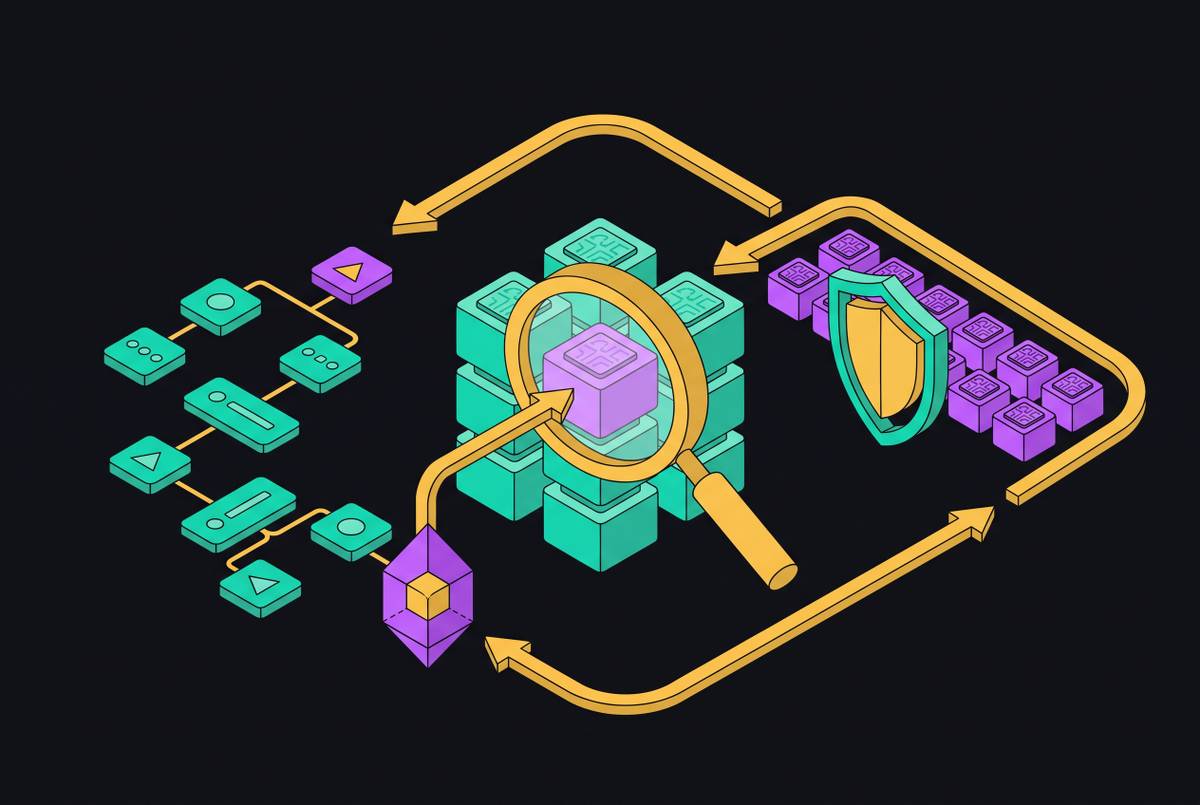
A program that reduces actual risk, rather than one that moves tickets around a board, builds exploit confirmation into the close condition for every finding, so that "remediated" means the same thing to security as it does to engineering. The workflow that holds up: validated findings get consolidated into fix actions, routed to owners who are actually accountable, tracked through closure, and then revalidated to confirm the underlying risk is gone.
Confirmation built into the loop this way creates its own feedback: when every fix gets retested and the result is visible to both security and engineering leadership, partial fixes and workarounds get flagged immediately instead of sitting quietly on a dashboard marked green. The U.S. manufacturer mentioned earlier shows what this looks like once it's running: the team moved away from static annual reports and into a cycle of action followed by verification, with weekly internal and external tests as standard practice and real-time validation of critical exposures cutting remediation cycles from weeks down to hours.
Point-in-time annual pentests can't produce this loop by design. A single engagement produces a snapshot reflecting one date, and then an extended blind window opens where fixes get applied, configurations change, and new code ships with nothing confirming any of it. Continuous pull-request scanning and on-demand retesting close that gap: they treat every significant change to the codebase or infrastructure as a trigger for targeted confirmation, so nothing has to wait for next year's engagement. The close condition for a finding in a mature program: the original exploit gets re-executed, the outcome is no longer achievable, and the result is documented and signed off by a credentialed tester. That signed record is what survives a serious audit or an enterprise customer's security review.
How exploit confirmation satisfies auditors and enterprise buyers
Audit-ready remediation evidence and genuine security confirmation come from the same act: re-executing the exploit and documenting what happened. Rigorous patch validation serves both goals at once, and it doesn't double the work.
SOC 2 Type II covers a period of operating effectiveness, and a single pentest report dated to one day in that period can't demonstrate that controls held throughout it. Documented retest results tied to specific findings and specific remediation dates fill that gap. On the HIPAA side, HHS proposed a Security Rule update in January 2025 that would require annual penetration testing for covered entities and business associates, with vulnerability scanning at least every six months and penetration testing at least every 12 months. Those provisions remain a proposal rather than settled law, but the direction of travel points toward required testing, not away from it, and organizations holding confirmation evidence are already positioned for whatever the final rule requires.
Auditors who see a penetration test that looks like a checkbox exercise can reject it outright and demand a retest from a vendor delivering realistic, expert-led testing. If organizations can't produce exploit-confirmed remediation evidence, they risk paying for two engagements, not one. Enterprise due diligence for funding rounds and acquisitions routinely asks for a recent penetration test report as evidence of security maturity, and a report showing findings with confirmed remediation evidence is a materially different document from one showing findings closed by ticket status alone. Technical reviewers on the other side of that review can tell the difference. The letter of attestation a credentialed tester signs for every confirmed-remediated finding is the artifact that survives a customer's security review, and it's what separates a report that clears procurement from one that generates another round of follow-up questions.